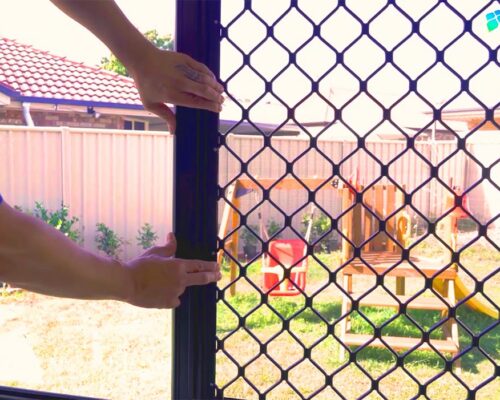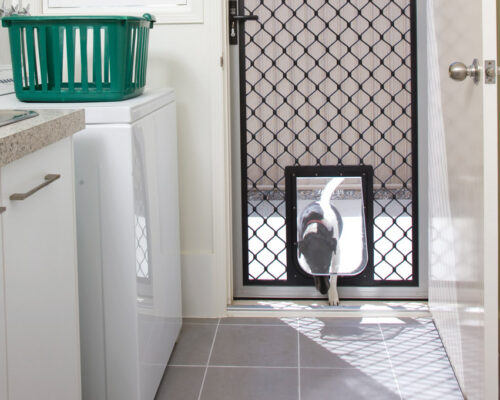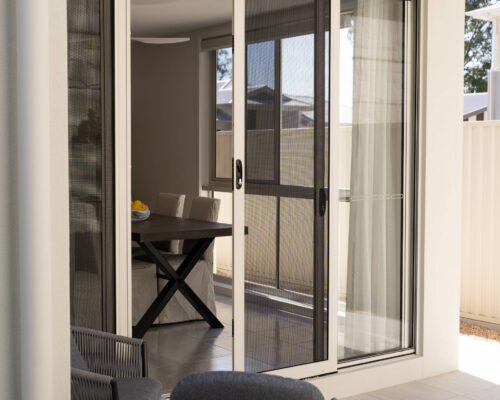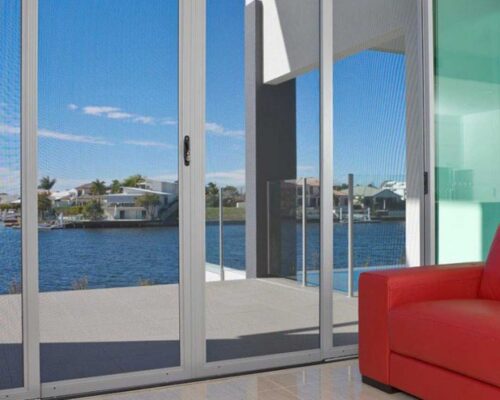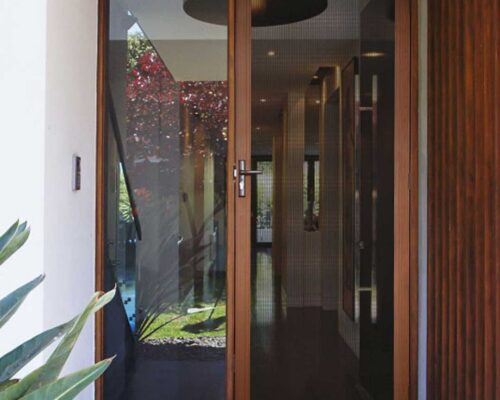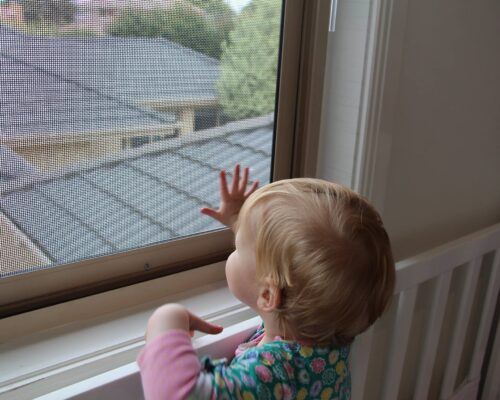
Your SecureView security screens are designed to provide years of reliable protection, ventilation, and visibility. Like any external feature of your home, regular cleaning and maintenance are essential to keep them looking great and operating smoothly.
On the Sunshine Coast, security screens are exposed to salt air, humidity, dust, pollen, and storms throughout the year. Without regular maintenance, these contaminants can build up on the mesh, frames, tracks, locks, and rollers, potentially affecting both appearance and performance over time. Regular care helps protect your investment and helps ensure your security screens continue operating at their best.
WHY REGULAR MAINTENANCE MATTERS

Many homeowners assume security screens are maintenance-free. While SecureView screens are built from high-quality materials designed for Australian conditions, routine cleaning helps to:
- Maintain clear visibility through the mesh
- Preserve airflow and ventilation
- Remove corrosive salt and environmental contaminants
- Prevent premature wear on moving components
- Keep locks and rollers operating smoothly
- Extend the lifespan of your security screens
Regular cleaning is particularly important for Sunshine Coast homes where salt deposits can accumulate on the screen and frame.
HOW OFTEN SHOULD YOU CLEAN SECUREVIEW SECURITY SCREENS?
As a general guide, we recommend cleaning your security screens every 3 to 6 months. Homes located close to the coast may require more frequent cleaning due to increased exposure to salt-laden air.
If you notice visible dirt, salt deposits, cobwebs, or reduced visibility through the mesh, it’s time for a clean.
STEP-BY-STEP GUIDE TO CLEANING SECUREVIEW SCREENS
What You’ll Need
- Warm water
- Soft sponge or microfibre cloth
- Soft brush (optional)
- Garden hose with gentle pressure
- Clean dry cloth

Remove Loose Dirt and Dust
Begin by gently brushing or vacuuming the screen to remove loose dirt, dust, insects, and debris. Pay special attention to corners and edges where contaminants tend to accumulate.
Wash the Mesh and Frame
Mix a small amount of mild detergent with warm water and use a soft sponge or microfibre cloth to gently clean both the mesh and frame.
Work from top to bottom and avoid excessive pressure on the stainless-steel mesh.
Rinse Thoroughly
Rinse the entire screen with clean water to remove any soap residue. A garden hose on low pressure is ideal.
Avoid high-pressure cleaning equipment, as excessive pressure can potentially damage finishes and seals.
Dry and Inspect
Wipe the screen dry using a clean microfibre cloth and inspect the mesh, frame, locks, and tracks for any signs of wear, damage, or corrosion.
Regular inspections allow minor issues to be addressed before they become costly repairs.
DON’T FORGET THE LOCKS, ROLLERS AND TRACKS
While most homeowners focus on cleaning the mesh, the locks, rollers, hinges, and tracks are equally important.
These moving parts work hard every day and can collect dust, sand, salt, and debris that may affect their performance.
Cleaning Tracks and Rollers
Sliding security doors rely on clean tracks and rollers for smooth operation.
To maintain them:
- Vacuum loose dirt and debris from the tracks
- Wipe tracks with a damp cloth
- Dry thoroughly after cleaning
- Check for any obstructions that may affect roller movement
Keeping tracks clean reduces unnecessary strain on the rollers and helps prevent premature wear.
Maintaining Locks and Key Cylinders
Security locks should be checked regularly to ensure smooth operation.
Signs your lock may require maintenance include:
- Keys feeling stiff or difficult to turn
- Rough operation when locking or unlocking
- Visible dirt or salt build-up around the cylinder
Clean away any dirt or salt deposits and apply a suitable lock lubricant when required.
Check Hinges and Moving Components
Hinges and other moving parts should be inspected periodically for smooth operation.
If you notice squeaking, stiffness, or resistance, cleaning and appropriate lubrication can help restore smooth performance and reduce wear.
COMMON MAINTENANCE MISTAKES TO AVOID
To protect your SecureView screens, avoid:
- Using harsh chemical cleaners
- Cleaning with abrasive pads or steel wool
- Allowing salt deposits to build up
- Ignoring dirty tracks and rollers
- Applying excessive water pressure
- Neglecting lock and hinge maintenance
These simple precautions can help maximise the lifespan and appearance of your security screens.
FREQUENTLY ASKED QUESTIONS
How often should SecureView security screens be cleaned?
For most homes, SecureView security screens should be cleaned every 3 to 6 months. Homes across the Sunshine Coast that are located near the coastline should be cleaned more frequently due to exposure to salt air and environmental contaminants.
What is the best way to clean security screen mesh?
Use warm water, a mild pH-neutral detergent, and a soft sponge or microfibre cloth. Avoid harsh chemicals, abrasive cleaning products, and high-pressure cleaners.
Can I use a pressure washer to clean my security screens?
No. Pressure washers can damage the mesh, powder-coated frame, seals, and moving components. A garden hose with gentle water pressure is the safest option.
How do I maintain the rollers on my security screen door?
Regularly vacuum and clean the tracks, inspect the rollers for wear, and remove any debris that could affect operation. Clean tracks help reduce strain on rollers and improve door performance.
How often should security screen locks be serviced?
Locks should be inspected at least annually. If the key becomes difficult to turn or the lock feels rough, clean the lock area and apply an appropriate lock lubricant.
What causes a security screen door to become difficult to slide?
The most common causes include dirt and debris in the tracks, worn rollers, lack of lubrication, and salt build-up in coastal environments.
Can coastal conditions affect security screens?
Yes. Salt-laden air can accelerate corrosion and affect moving components if regular cleaning and maintenance are not performed.
Why is regular maintenance important for security screens?
Regular maintenance helps maintain appearance, improve functionality, protect moving components, and extend the lifespan of your security screens.
NEED HELP MAINTAINING YOUR SECURITY SCREENS?
At Screens Plus, we supply and install premium SecureView security screens across the Sunshine Coast. Our team can provide expert advice on cleaning, maintenance, and caring for your security screens to ensure they continue protecting your home for years to come.
Have questions about your existing security screens?
Considering upgrading your home’s security?
Contact Screens Plus today for friendly local advice, professional installation, and expert security screen solutions across the Sunshine Coast.
Posted by John Ward – Owner Screens Plus