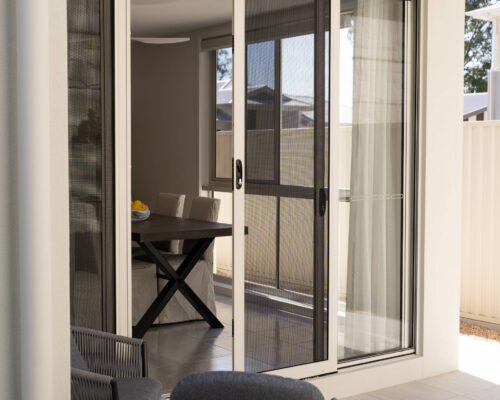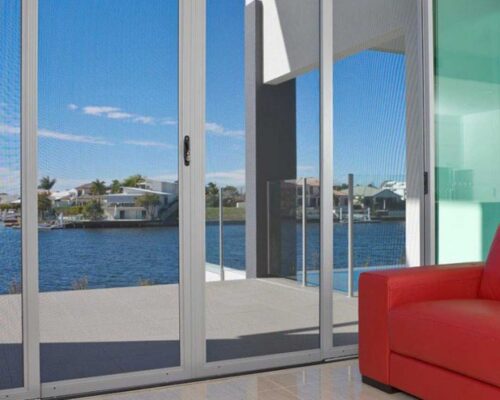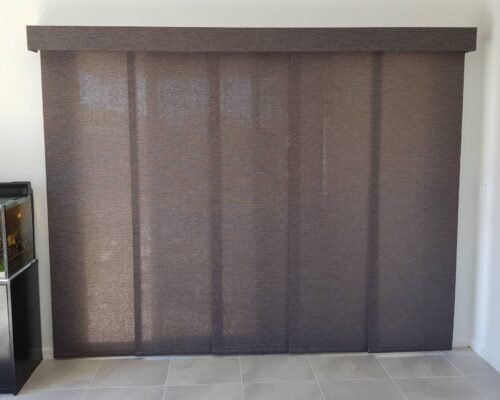
Ziptrak outdoor blinds can make a patio or outdoor living area more comfortable and usable throughout the year. They can reduce sun, provide privacy and offer protection from wind and rain, while the track-guided system keeps the fabric securely held at both sides.
The final result depends on choosing the right size, fabric, operating system and pelmet for the way the area will be used. Prices can also vary considerably once motorisation, electrical work or additional framing is required. This guide explains the main options and provides realistic pricing examples for Sunshine Coast homeowners considering Ziptrak outdoor blinds.
In This Guide
- Ziptrak outdoor blind prices
- Is a Ziptrak pelmet worth including?
- How do Ziptrak blinds perform in different weather conditions?
- Should Ziptrak blinds be retracted during a storm?
- Size and installation considerations
- Cleaning and maintaining Ziptrak blinds
- Warranty and approximate installation time
- What should you consider before ordering?
- Frequently asked questions
- Arrange a measure and quote
Ziptrak outdoor blind prices
The examples below show three commonly ordered sizes. Each price is for one blind approximately 2.5 metres high and is based on Vistaweave 95 fabric in Ebony.
| Example installation | Approximate size | Included specification | Indicative installed price |
|---|---|---|---|
| Typical smaller installation | 3.0m wide × 2.5m high | Spring operation, Vistaweave 95 Ebony, no pelmet | $2,100 |
| Medium patio installation | 4.0m wide × 2.5m high | Spring operation, Vistaweave 95 Ebony, no pelmet | $2,450 |
| Large premium installation | 5.0m wide × 2.5m high | Motorised operation, Vistaweave 95 Ebony, 135mm Ziptrak Streamline Pelmet and one-channel remote | $4,300 |

Is a Ziptrak pelmet worth including?
A pelmet—sometimes referred to as a hood—covers the rolled blind and its internal components at the top of the opening. Although it adds noticeably to the price, it can make an equally noticeable difference to the finished appearance.
Without a pelmet, the roller and fabric remain visible when the blind is raised. A fully enclosed Ziptrak Streamline Pelmet conceals the roll and creates a cleaner, more integrated result. It also provides additional protection from weather, dirt and insects.
Screens Plus almost always includes a pelmet with a motorised blind. In addition to improving the appearance, it protects the motor and wiring from the elements. The main exception would be an installation where the entire mechanism is already well sheltered from rain and water.
For a spring-operated blind, a pelmet is more of an appearance and protection choice. The blind can operate without one, making this a reasonable place to reduce the initial cost. Customers should still consider how visible the exposed roller will be from the house and outdoor area.
| Without a pelmet | With a Streamline Pelmet |
|---|---|
| Lower initial price | Higher initial price |
| Roller remains visible | Cleaner, more finished appearance |
| Less protection around the rolled blind | Roller and components are enclosed |
| Can suit a sheltered spring-operated blind | Recommended for most motorised blinds |
How do Ziptrak blinds perform in different weather conditions?
Ziptrak outdoor blinds are very strong and perform well in most everyday weather conditions. Because the fabric is retained within tracks on both sides, it does not flap around like a free-hanging outdoor blind. This makes the system particularly effective for exposed patios and outdoor areas.
The actual level of protection depends on the fabric, blind size, installation position and direction of the weather. Ziptrak blinds can make an outdoor area considerably more comfortable, but they do not turn a patio into a completely sealed or waterproof room.
Sun and heat
Mesh fabrics can significantly reduce direct sun and glare while still allowing some airflow and outward visibility. Vistaweave 95 suits most general applications, while Vistaweave 99 is better where maximum sun reduction is required.
The direction of the opening matters. A blind facing strong afternoon sun may need a denser fabric than one used mainly for privacy or protection from occasional weather.
Wind
The track-guided design holds both sides of the fabric securely and performs very well in windy conditions. Larger blinds place greater loads on the tracks, fixings and surrounding structure, which is why correct measurement, suitable fixing points and professional installation are important.
In normal windy conditions, a blind should be either fully lowered or fully retracted. A blind left partway down is more vulnerable because the exposed fabric can catch the wind.

Rain
Ziptrak blinds can provide useful protection from light rain and wind-driven rain, but the result varies with the fabric and the design of the outdoor area.
Vistaweave 95 offers reasonable protection while preserving better airflow and visibility. During heavy rain, some water can pass through the fabric. Vistaweave 99 has a tighter weave and provides better rain protection, although no mesh blind should be presented as a completely waterproof wall.
Water may also enter around flooring, posts or other parts of the surrounding structure. These details are assessed during the measure and quote.
Insects
Insect protection is very good when a track-guided blind is combined with a fully enclosed pelmet. The tracks retain the fabric at both sides, while the pelmet helps close the area around the roll at the top.
As with rain, the result also depends on the surrounding structure and the surface beneath the bottom bar. Gaps elsewhere in the patio cannot be sealed by the blind itself.
Should Ziptrak blinds be retracted during a storm?
Ziptrak blinds should be fully retracted before a storm or very high winds arrive. This protects both the blind and the structure to which it is attached.
Avoid leaving a blind partway down during windy weather. Motorised blinds should also not be operated while strong wind pressure is pushing against the fabric. If severe weather is forecast, retracting the blinds beforehand is the safest approach.
Size and installation considerations
Every Ziptrak blind is made to measure. Screens Plus commonly installs blinds around 3 to 5 metres wide, although the Ziptrak track-guided system can accommodate sunscreen mesh blinds up to 6 metres wide and 3.5 metres high when correctly specified.
Blinds narrower than 2.5 metres can also be manufactured, but they are less common. For many smaller openings, a Multi-Stop awning or traditional Sunblind may offer a simpler and more economical solution.
At the other end of the scale, Screens Plus motorises all blinds over 4.5 metres wide. Larger blinds also require careful consideration of the supporting structure and fixing points.
Some patios require additional posts or framing before the blind can be installed. Screens Plus can include this work in the quotation where necessary, although it adds to the overall price. These requirements are identified during the site measure rather than left as a surprise during installation.

Cleaning and maintaining Ziptrak blinds
Regular cleaning helps preserve both the appearance and operation of a Ziptrak blind, particularly in coastal or damp Sunshine Coast locations.
Ziptrak produces its own Swiftee Outdoor Blind Cleaner for mesh and PVC fabrics. Apply it with a soft sponge or cloth and clean both sides of the material. Avoid harsh chemicals, abrasive scourers, oil-based products and high-pressure cleaning.
Where possible, allow the fabric to dry before rolling it up. Moisture trapped inside the rolled fabric can contribute to mould and staining. If a blind must be retracted while wet, lower it again and allow it to dry once the weather clears.
An occasional application of suitable silicone spray in the tracks can assist smooth operation. Do not use oil-based lubricants such as WD-40, as they attract dust and can affect the spline tape.
On spring-operated blinds, always lift and lower the bottom bar from the centre. If the blind stops moving smoothly for no obvious reason, contact the installer rather than forcing it.
Warranty and approximate installation time
Screens Plus provides a five-year warranty on its Ziptrak outdoor blind installations.
We generally work on an approximate installation time of three weeks from ordering. Timing can vary with fabric and component availability, custom colours, electrical coordination and the amount of preparation required at the property.
What should you consider before ordering?
Before choosing a Ziptrak blind, it helps to be clear about the main problem you want it to solve.
- For balanced shade, airflow and outward visibility, Vistaweave 95 will suit most outdoor areas.
- For stronger sun, privacy and rain protection, consider Vistaweave 99.
- If completely blocking light is essential, a blockout fabric may be more appropriate.
- If retaining a clear view is the priority, PVC may suit, provided its heat and cleaning requirements are understood.
- For a larger or regularly operated blind, motorisation will generally make the system easier to live with.
- For the cleanest appearance and better component protection, include a Streamline Pelmet.
The best combination will depend on the opening, its exposure and how often the blind will be used. A site measure allows these factors to be considered together rather than selecting each option in isolation.

Frequently asked questions
How much does a Ziptrak outdoor blind cost?
As an indicative guide, a representative spring-operated blind approximately 3 metres wide by 2.5 metres high is around $2,100 installed, while a 4-metre spring-operated example is around $2,450. A 5-metre motorised blind with a 135mm Streamline Pelmet and one-channel remote is around $4,300. These examples include GST and installation and are based on Vistaweave 95 Ebony. Exact pricing depends on size, fabric and installation requirements.
Is a motorised Ziptrak blind worth it?
Motorisation is particularly worthwhile for larger blinds and blinds that will be operated regularly. Screens Plus supplies blinds over 4.5 metres wide with motorised operation. A smaller blind that will remain lowered most of the time may still be well suited to spring operation.
Does a Ziptrak blind need a pelmet?
A spring-operated blind can be installed without a pelmet, but the roller remains visible. A Streamline Pelmet creates a cleaner finish and protects the rolled blind and its components. Screens Plus generally includes a pelmet with motorised blinds.
Will Ziptrak blinds keep heavy rain out?
They provide useful rain protection, but they do not create a completely waterproof room. Vistaweave 95 can allow water through during heavy rain. Vistaweave 99 provides better protection because of its tighter weave. The opening’s exposure and surrounding structure also affect the result.
Should Ziptrak blinds be raised during a storm?
Yes. Fully retract the blinds before a storm or very high winds arrive. In ordinary windy conditions, keep the blind either fully down or fully retracted rather than leaving it partway open.
What is the widest Ziptrak blind available?
The Ziptrak Outdoor Track-Guided system can accommodate sunscreen mesh blinds up to 6 metres wide and 3.5 metres high. PVC blinds have different maximum dimensions. The appropriate size and configuration depend on the fabric, location and supporting structure.
How long does installation take after ordering?
Screens Plus generally works on an approximate three-week installation time. Special fabrics, custom colours, electrical work or additional framing may affect the timing.
Arrange a measure and quote
Ziptrak blinds are most effective when their size, fabric and operating system are selected for the particular opening rather than treated as a standard package.
Screens Plus supplies and installs made-to-measure Ziptrak outdoor blinds across the Sunshine Coast. We can assess the exposure of the area, explain the fabric choices and include any required motorisation, pelmets, framing or electrical coordination in a clear quotation.